FuelControl UK Home

Category

Fleet Cost Control

23 articles

What Super Diesel Must Prove: A Costed Trial for Working Vans

What Super Diesel Must Prove: A Costed Trial for Working Vans

Premium diesel is sold on claims of cleaner engines and better economy, but a working van fleet should treat it as a capital decision. This article sets out a before-and-after trial that separates measurable litres from marketing, and identifies the duty cycles where the premium is most likely to pay back.

Loyalty at the Forecourt: What Supermarket Points Are Really Worth to Thirty Vans

Loyalty at the Forecourt: What Supermarket Points Are Really Worth to Thirty Vans

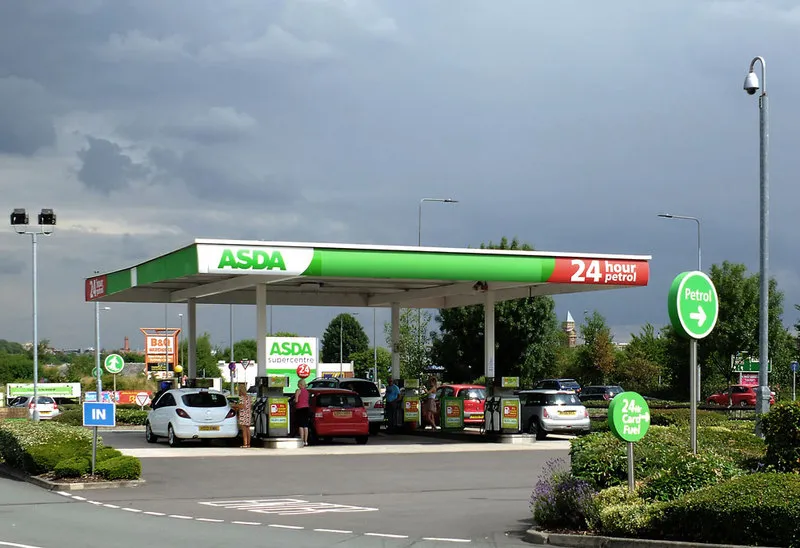
Supermarket loyalty schemes promise a few pence off the pump, and for a private motorist that is a pleasant surprise. For a thirty-van fleet, the arithmetic is less forgiving. This is a cost-down on what points and pump discounts are actually worth once forecourt dwell time, reconciliation and private-spend risk are priced in.

Cutover Without Bleed: A 90-Day Fuel-Card Migration Plan for Thirty UK Vans

Cutover Without Bleed: A 90-Day Fuel-Card Migration Plan for Thirty UK Vans

Changing fuel-card provider looks like a pence-per-litre decision until the exit invoice, reissued cards and cutover reconciliation land. This 90-day plan costs the migration for a thirty-van UK fleet and separates genuine pump savings from the admin and control risk that can absorb them.

Line by Line: What Twenty Fuel Cards Really Cost Beyond the Pence-Per-Litre Rate

Line by Line: What Twenty Fuel Cards Really Cost Beyond the Pence-Per-Litre Rate

The quoted pence-per-litre rate is only the first number on a fuel-card invoice. For a twenty-van UK fleet, transaction fees, out-of-network charges, replacement cards and VAT treatment can add several pence per litre before the renewal meeting begins. This is a practical audit to reconcile the invoice, benchmark every charge against the contract and arrive at renewal with a one-page challenge sheet.

Litres to Ledger: An Audit-Ready Carbon Record for a Thirty-Van UK Fleet

Litres to Ledger: An Audit-Ready Carbon Record for a Thirty-Van UK Fleet

Carbon reporting often sits apart from fuel-cost control, using different totals and different owners. This guide sets out how to build one reconciled dataset from fuel-card exports, telematics and depot charging, then use it for both the carbon ledger and the monthly cost review.

Custody at the Key Cabinet: A Shift-Change Fuel Protocol for UK Pool Vans

Custody at the Key Cabinet: A Shift-Change Fuel Protocol for UK Pool Vans

Pool vans rarely lose fuel in dramatic incidents; they lose it in small, unrecorded gaps between drivers. This article sets out a shift-change custody protocol for UK fleets, from fuel-level bands and card-to-vehicle matching to repeat-shortfall flags, with a costed example for thirty vans.

Four Digits, Thirty Vans: The Fuel-Card PIN Audit That Pays for Itself

Four Digits, Thirty Vans: The Fuel-Card PIN Audit That Pays for Itself

A shared fuel-card PIN is often treated as a harmless depot shortcut, but it weakens the audit trail behind every fill. This practical review sets out how a 30-van UK fleet can test PIN custody, forecourt skimming exposure and transaction alerts — then cost the realistic exposure and fix it without adding time at the pump.

The Clock at the Kiosk: A Fuel-Stop Time Audit for UK Van Fleets

The Clock at the Kiosk: A Fuel-Stop Time Audit for UK Van Fleets

Fuel price per litre is only one line in the forecourt ledger. This article sets out a practical method for measuring driver dwell time at UK fuel sites using fuel-card timestamps and telematics, then costing the annual return from preferred sites, smarter shift timing and tighter payment discipline.

Capped Ambition: What a 60mph Van Policy Actually Returns on Forty Vans

Capped Ambition: What a 60mph Van Policy Actually Returns on Forty Vans

A 60mph cap on a forty-van fleet is usually sold on a single percentage and costed at zero. Priced properly — calibration, elapsed time, overtime claims and route mix included — the return is narrower than the memo suggests, and confined to a smaller slice of the fleet than most operators assume. Here is the arithmetic, and how to trial it at one depot without losing the drivers.

The Reserve Tank Illusion: Costing Low-Fuel Running for UK Van Fleets

The Reserve Tank Illusion: Costing Low-Fuel Running for UK Van Fleets

Running vans to the warning light looks like cash discipline, but emergency fills, route constraints and driver downtime often cost more than the fuel saved. This article sets out a practical comparison between a run-it-low habit and a disciplined half-tank rule for UK light commercial fleets.

The School-Run Line: Auditing Private Fuel in Mixed UK Fleets

The School-Run Line: Auditing Private Fuel in Mixed UK Fleets

A fuel card can look like a control until a private journey turns it into a taxable benefit. For mixed car-and-van fleets, the risk sits in the gap between fuel transactions, mileage records and payroll. This audit sets out a monthly ledger that keeps private draws visible.

Split Current: Reconciling Diesel and Electric Van Costs in One Fleet Ledger

Split Current: Reconciling Diesel and Electric Van Costs in One Fleet Ledger

A mixed UK fleet now runs diesel cards and electric charging receipts side by side, often without a common reconciliation. This article proposes a monthly process for allocating both energy streams, handling home-charging reimbursement and public rapid receipts, and keeping cost per mile comparable across the fleet in 2026.

The Ceiling and the Floor: Costing a Fixed-Price Diesel Deal for Thirty Vans

The Ceiling and the Floor: Costing a Fixed-Price Diesel Deal for Thirty Vans

Fuel hedging arrives wrapped in trading-floor language, but for a thirty-van operator it is simply insurance with a premium you can price. This analysis sets out the real break-even on a fixed-price diesel contract, the friction costs that quotes tend to leave out, and the point at which locking in stops being prudence and starts being a view on the market.

The Cheapest Pump Is Not Always the Cheapest Mile: Routing Fuel Stops for UK Fleets

The Cheapest Pump Is Not Always the Cheapest Mile: Routing Fuel Stops for UK Fleets

A forecourt can advertise a headline price that looks decisive, yet the true cost of filling there depends on detour distance, driver time, tank size and the fuel card terms behind the price board. This guide sets out a repeatable method for UK fleets to map fuel stops around depots and regular routes, then prove the saving with card and telematics data.

When Pooled Fuel Pays: The True Arithmetic of UK Buying Groups in 2026

When Pooled Fuel Pays: The True Arithmetic of UK Buying Groups in 2026

Fuel buying groups can show a genuine pence-per-litre saving on paper, but UK SME fleets need to test that saving against fees, rebates, lock-ins and admin time. This costed reality check sets out where pooled purchasing pays in 2026 — and where the arithmetic quietly turns negative.